
Lived experience at the tableOpen the Instagram post
 Take the quiz
Speak To Me’s employment campaign

Building a future where people with learning disabilities can succeed in employment based on their passion, talent and ability.
Why 6%?
In England, only 6% of working-age adults receiving long-term learning-disability support, whose employment status was recorded, were in paid employment in 2024–25.
That represents 6,365 people. The figure does not cover every person with a learning disability, and it should not be presented as the employment rate for the whole learning-disability population.
Official sourceDepartment of Health and Social Care, 2024–25In 2021–22, 4.8% of working-age adults with a learning disability who were known to adult social-care services in England were recorded as being in paid employment. This was an England measure for a defined social-care group—not an employment rate for every adult with a learning disability across the UK.
The Government has since changed the collection method, so the newer 6% figure should not be compared directly with 4.8%. The name remains 6% & Rising because the campaign is about pushing employment opportunities upwards—not pretending the work is finished.
NHS Digital source: Adult Social Care Outcomes Framework, England 2021–22The story
6% & Rising is Speak To Me’s dedicated employment campaign. Rooted in Liverpool and driven by lived experience, it raises awareness of the barriers and opportunities facing disabled people in the world of work.
We shine a spotlight on the talent, skills and achievements of people with learning disabilities and additional needs who are already making valuable contributions to workplaces and communities.
Through real stories, media content, employer engagement and lived experience, the campaign challenges assumptions and promotes a better understanding of inclusive employment.

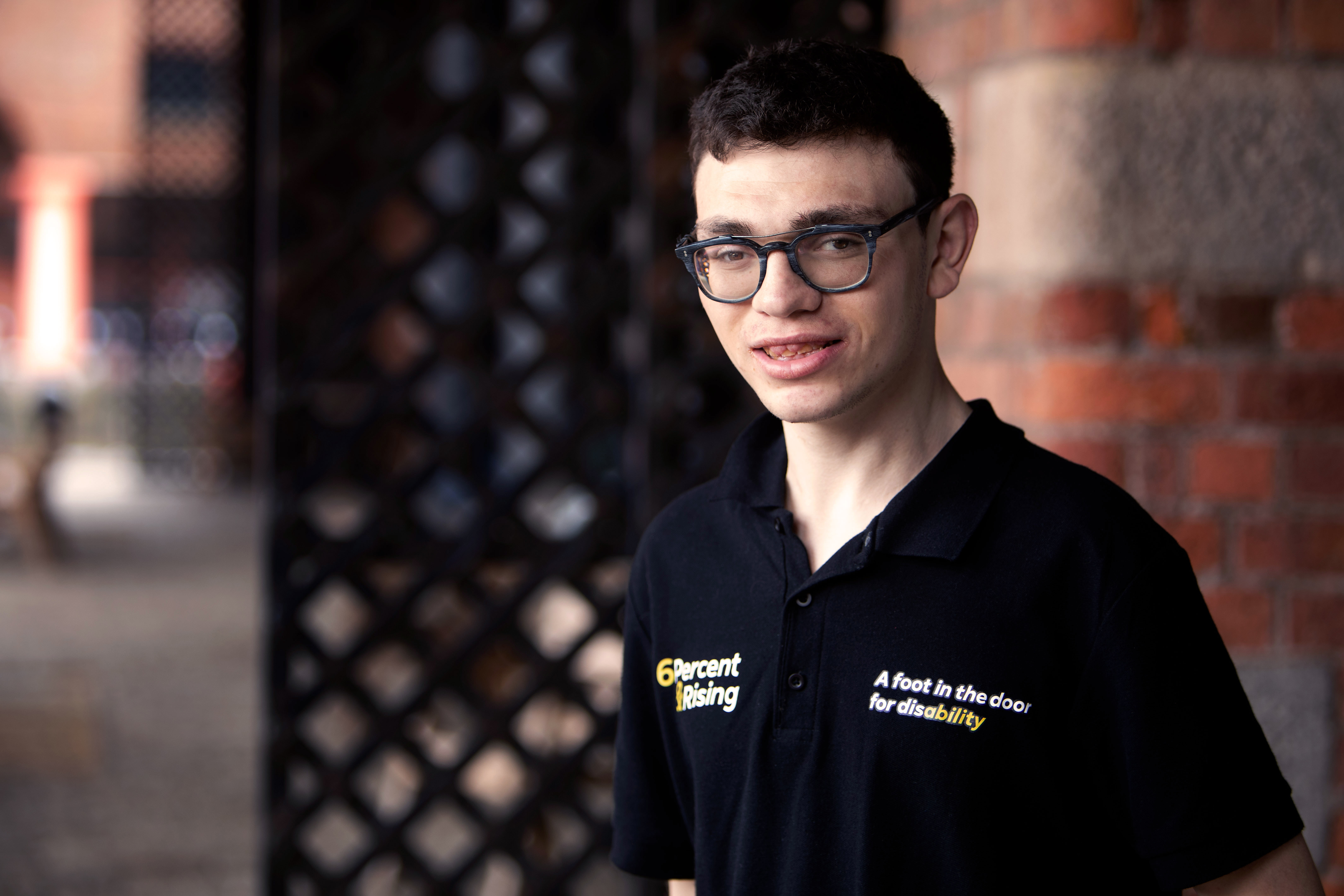 Lived experience
“Talent is everywhere.
Opportunity is not.”
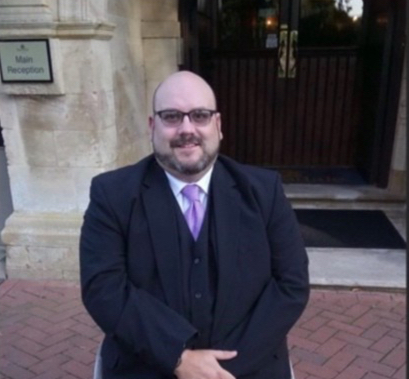 Real opportunity
From the original Speak To Me site
Speak To Me independently supported National Supported Internship Day 2026: a UK-wide celebration of supported internships and the life-changing opportunities they can create for young people with learning disabilities and/or autism.
The day was created by DFN Project SEARCH. Speak To Me highlights it as part of our support for inclusive employment, but we do not work in partnership with, represent, or have any affiliation with DFN Project SEARCH.
Learn about National Supported Internship DayPathways into work
The right route depends on the person’s age, goals, experience and support needs. These options can lead towards meaningful paid employment—and support should be built around the individual.
A structured, work-based study programme with a substantial workplace placement and support from an expert job coach. The main goal is progression into paid employment.
An evidence-based model focused on finding a real paid job, matching it to the person and providing ongoing support to the employee and employer.
A supported-employment programme across England and Wales for disabled people, people with long-term health conditions and others facing complex barriers. It can help people find work or stay in work.
A paid job combined with training and a qualification. Disabled apprentices can receive reasonable adjustments, learning support and, where eligible, Access to Work.
Some people are ready to apply directly for paid jobs. Employers must make reasonable adjustments, and support can include accessible recruitment, job carving, workplace adjustments or a job coach.
Further education and vocational courses can build job-specific skills. Self-employment can suit some people too, and Access to Work may provide disability-related support where its eligibility rules are met.
What the evidence says
Supported employment is evidence-based. BASE describes a five-stage model focused on real paid jobs, job matching and in-work support.
Supported internships are built around the workplace. Government guidance says their core aim is a substantial work placement supported by an expert job coach.
DFN Project SEARCH reports an average of 63% securing permanent paid roles. This is DFN’s own programme outcome, not a result for every supported internship provider.
Support can continue in paid work. Access to Work can fund practical support, specialist equipment, travel or communication support, depending on individual eligibility.
Organisational clarity: external links and statistics are included as sources and signposts. They do not indicate a partnership or affiliation. Speak To Me’s only official partner at present is BASE.
A government grant may help with practical disability-related support when starting, staying in or moving into work. It does not replace an employer’s legal duty to make reasonable adjustments.
Disability Confident is a government employer scheme with three levels: Committed, Employer and Leader. Look for the official Disability Confident badge on job adverts, then still ask what accessible recruitment, reasonable adjustments and practical support the employer actually provides.
The former “Two Ticks” symbol was replaced by Disability Confident. This guide explains the scheme; it does not claim that Speak To Me is an accredited employer.
Important: work experience and volunteering can build skills and confidence, but they should be a chosen stepping stone—not a permanent substitute for fair, paid employment.
“I have fears, but I have no fear when I stand up for what is right. I believe I can help others, and I am going to be the one who stands up for equality, justice and fairness.”
Harry Georgiou — Founder
Employers, educators and employment providers
Share an employment story, work with the campaign or start a conversation about creating genuinely inclusive opportunities.