Dignity
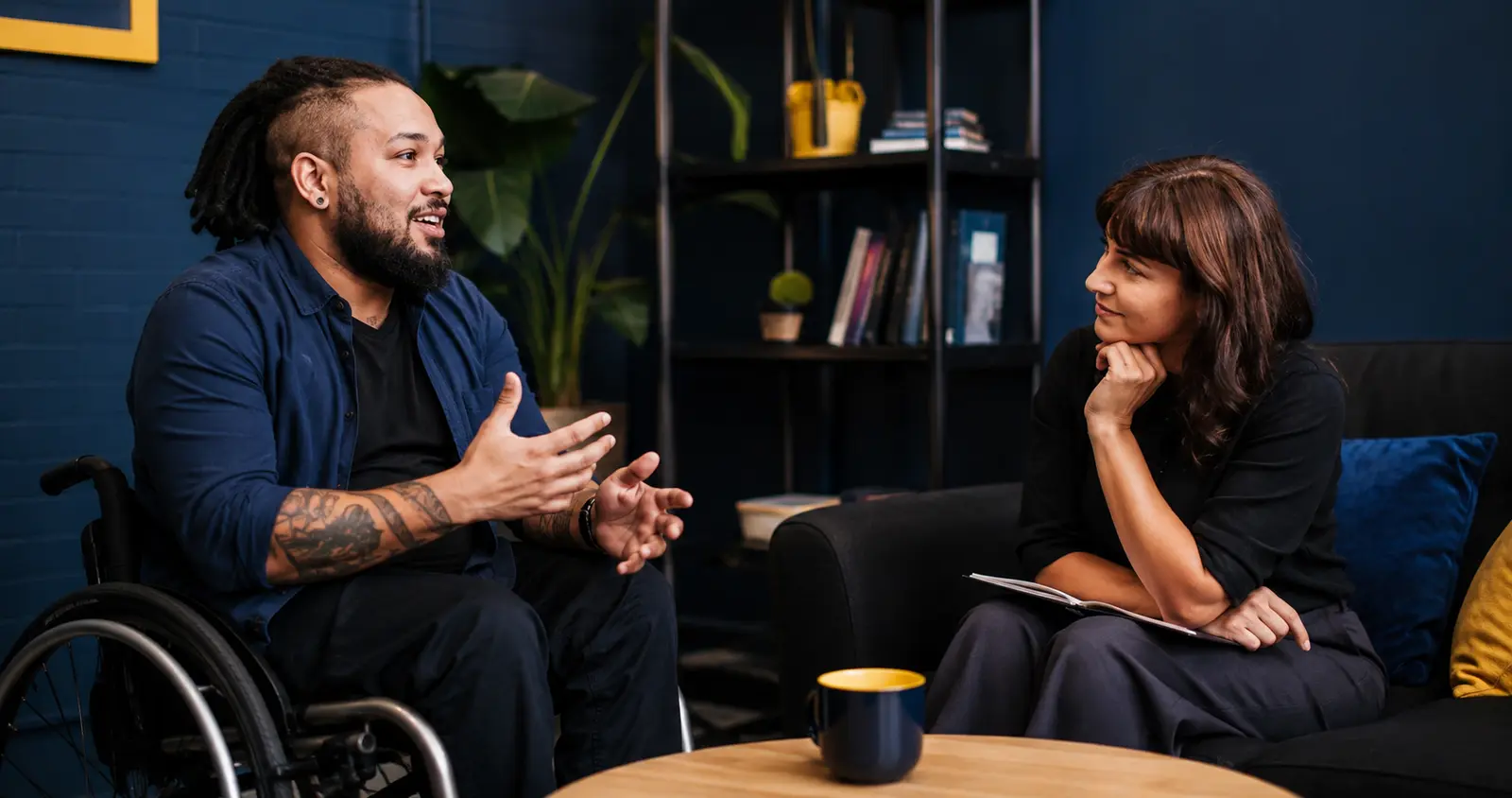
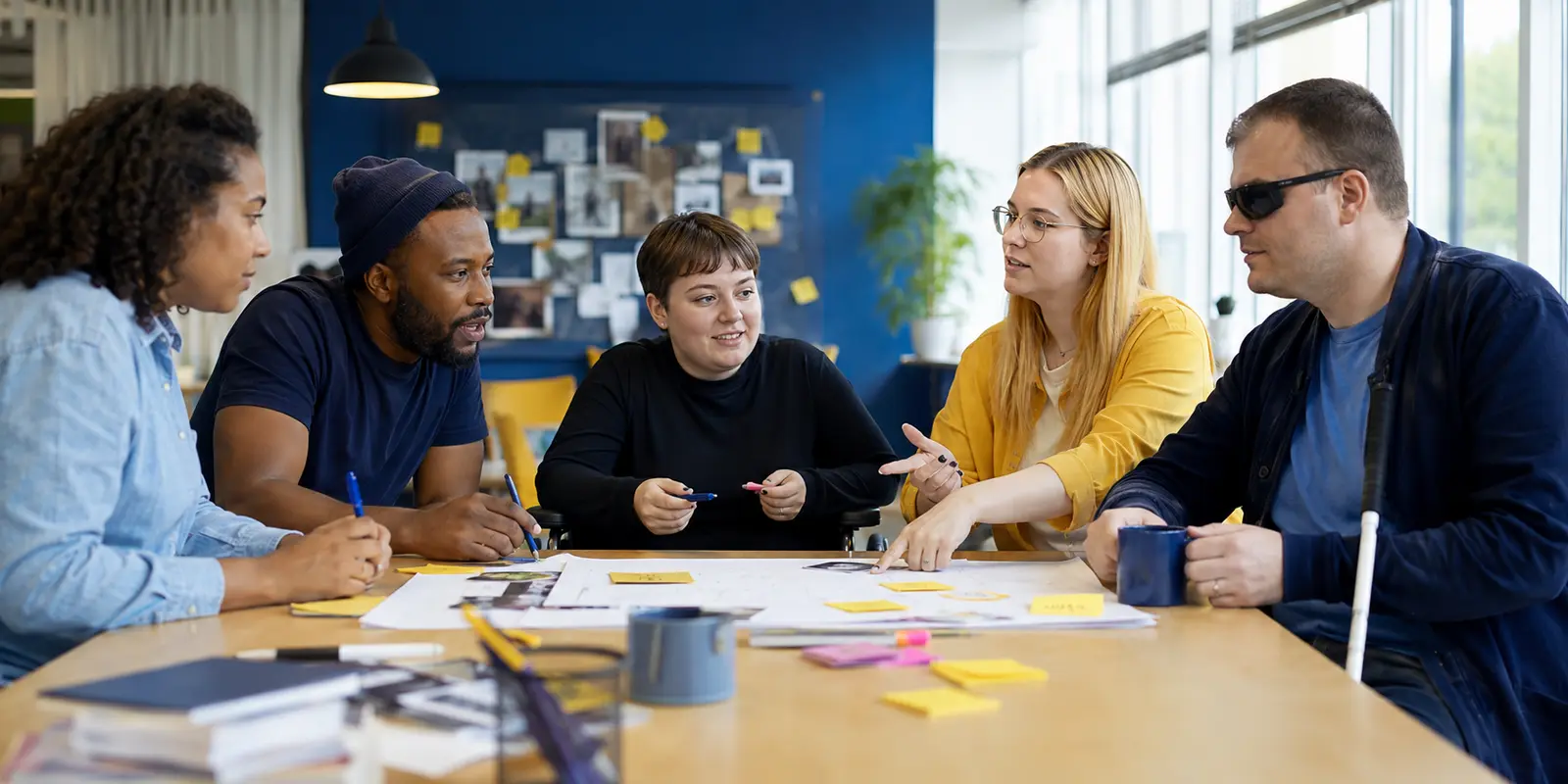
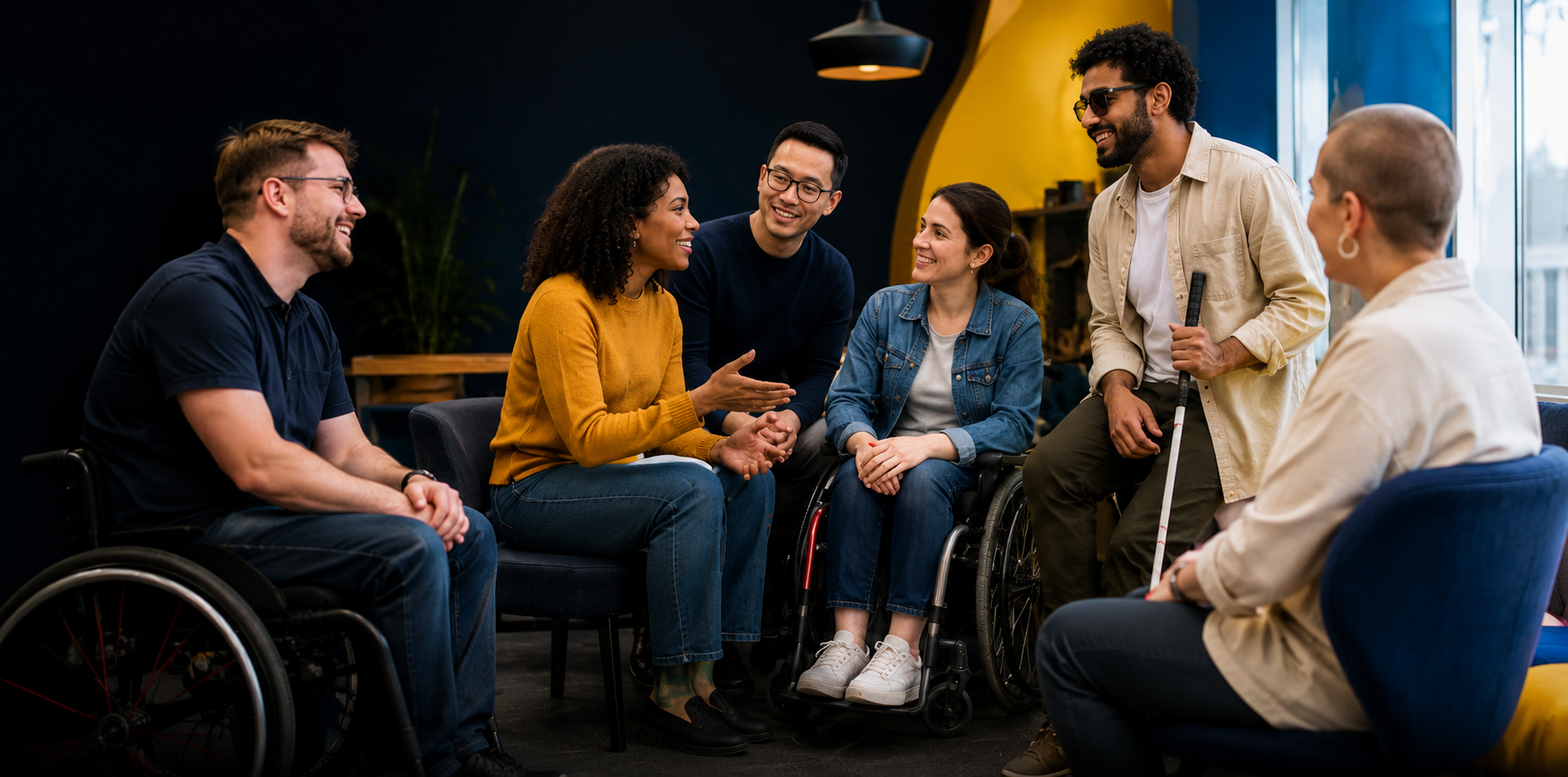
Speaking to the person shows that their voice, identity and choices matter.
 Take the quiz
Disability-led. Direct. Unfiltered.
Speak To Me uses lived experience to challenge assumptions and show why disabled people must be addressed directly, listened to and included from the beginning.
 Book your tickets here
 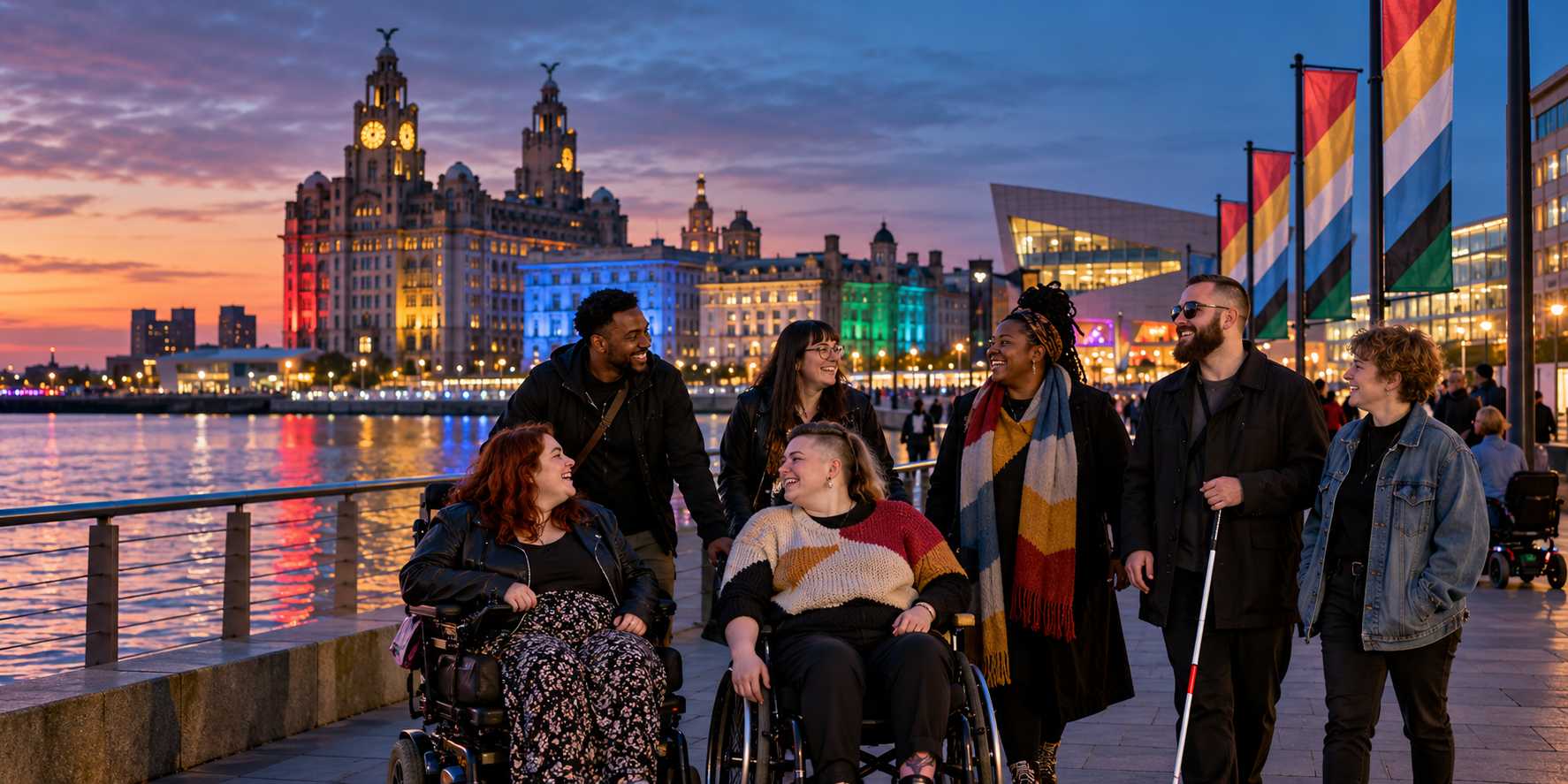 Liverpool · July 2027 proposed
New community call-out
Speak To Me is gathering expressions of interest from disabled people, volunteers, artists, businesses, venues and community supporters. The first step is a planning roundtable to explore local interest and work out how the festival could happen.
Speak To Me campaign
When a disabled person needs an essential companion to travel, paying a second fare can add to the cost of getting around. This petition calls for a free companion pass alongside a disabled travel pass.
Sign the petitionStart here
 One moment.
How Speak To Me began
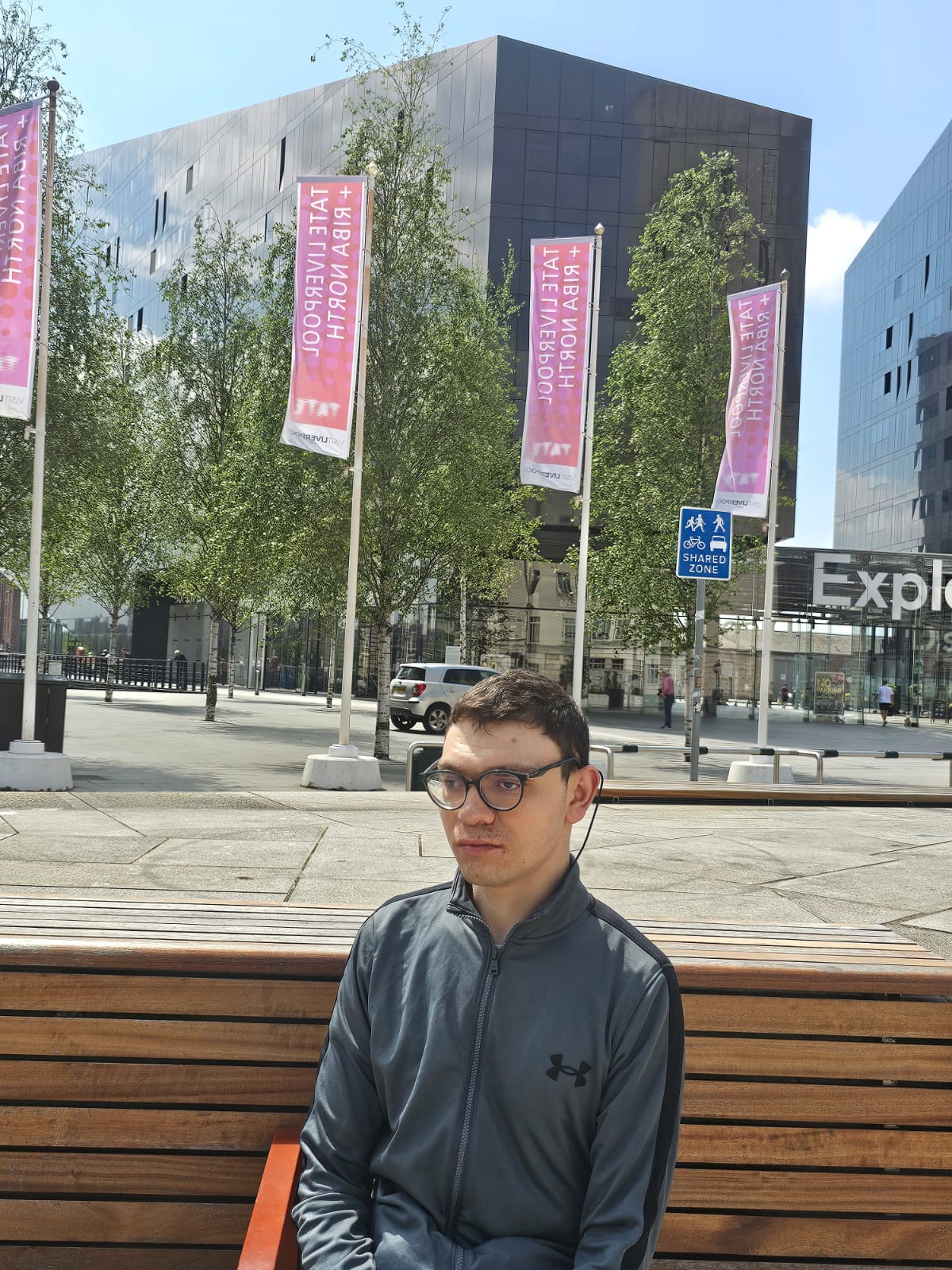
The campaign began after Harry was ignored in a restaurant and another person was treated as though they should answer for him. It was not an unusual moment—and that was exactly the problem.
Being disabled does not make somebody invisible. Speak To Me turns that everyday experience into a direct challenge: see the person, speak to them first and give them the time and support to answer.
“I am a human being. Speak to me—not the person next to me.”Read the full story
The power of direct communication
Speaking to the person shows that their voice, identity and choices matter.
Listening directly gives services, employers and decision-makers more accurate information.
Inclusion means shaping the answer from the beginning—not being consulted after it is decided.
The reality in numbers
They represent people being ignored, excluded or denied the same opportunities as everyone else.
Figures checked and updated August 2026.That is 16.7 million people—not a small or separate part of society.
SourceDWP Family Resources Survey 2024–25Three out of four disabled people said this happened within the previous five years.
SourceScope attitudes researchThis estimate includes approximately 1.2 million adults and 349,000 children.
SourceMencap prevalence estimateOf working-age adults receiving long-term learning-disability support in England whose employment status was recorded. That was 6,365 people in 2024–25.
Official sourceDepartment of Health and Social Care 2024–25In April to June 2025, 52.8% of disabled working-age people were employed, compared with 82.5% of non-disabled people in the UK.
Official sourceDWP, The employment of disabled people 2025Police in England and Wales recorded these offences in the year ending March 2025. Every person deserves to be heard, believed and treated with dignity.
Official sourceHome Office, year ending March 2025How to read these figures: They come from different surveys and administrative datasets, so they describe different groups and should not be combined into one total. Follow each source link for the population, sample and method used.
About the employment figure: The older 4.8% figure came from NHS Digital data for 2021–22. The collection method has since changed, so the Government says the figures should not be directly compared.
Every number is a reason to speak directly, listen properly and act.
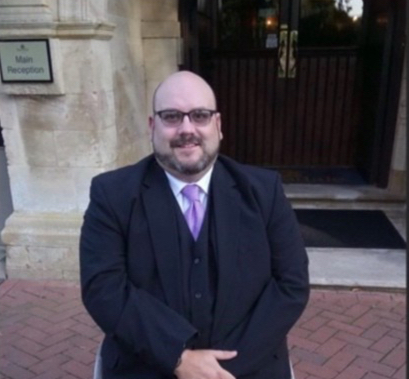 Real people.
What is Speak To Me?
Speak To Me is a disability-led campaign founded by Harry Georgiou. Through stories, interviews, videos and public speaking, it asks people and organisations to address disabled people first, avoid assumptions and make communication accessible.
Read our storyWhat we are working on
Direct communication matters wherever people make choices about disabled people’s lives. Our campaigns connect the everyday moment to the systems around it.

Putting ability before disability and opening more routes into paid work.
Explore the campaign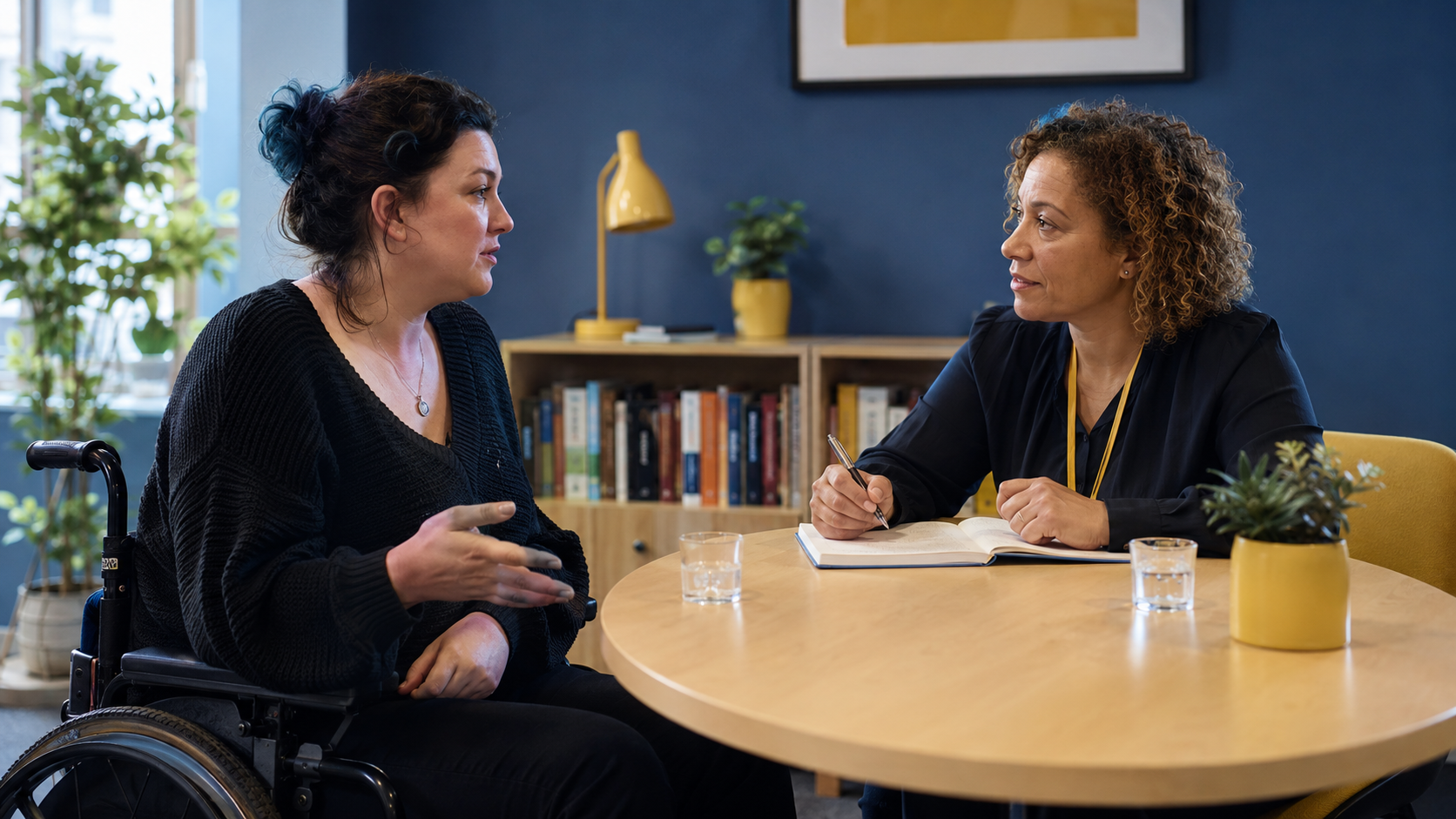
Speaking up about barriers in services, Access to Work and disability hate crime reporting.
Share what happened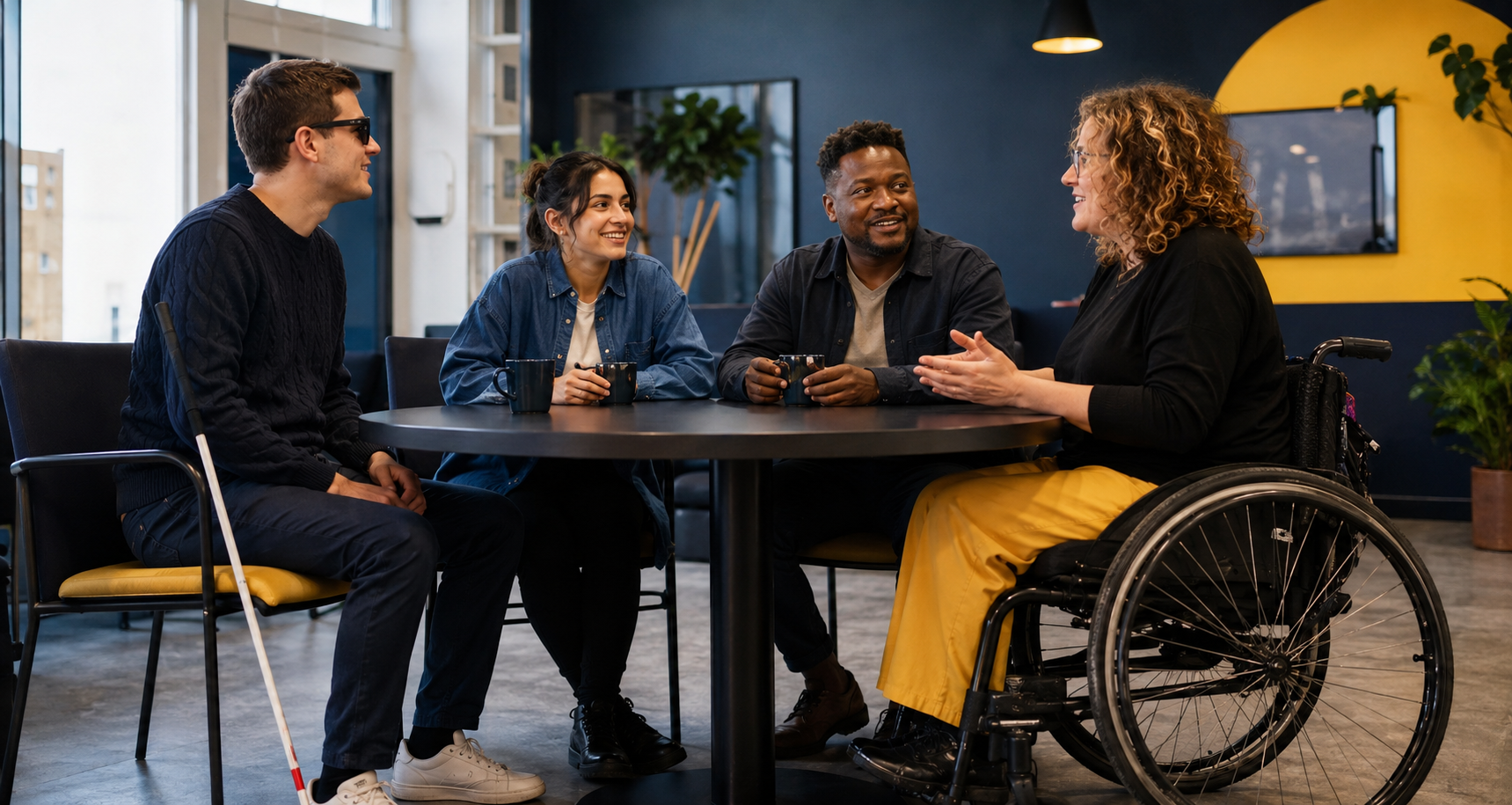
Co-production must give lived experience real influence from the start.
Work with us
Challenging the assumptions that leave disabled people ignored or spoken over.
Hear real storiesDo you see me?
These films show the everyday assumptions behind Speak To Me—and why speaking directly to disabled people matters in shops, workplaces, services and every part of public life.
Visit our YouTube channel01 You presume what I can do?
02 So you think I can’t order my own drink?
The video that helped inspire Speak To Me
This World Down Syndrome Day film captures the principle at the heart of Speak To Me: disabled people are citizens, leaders and decision-makers—not an afterthought. We do not just want to be invited into the room. We want a meaningful seat at the table.